


MAYDAY Technology secured a digital leadership hire in 2 weeks using AI tools. Contact us to streamline your recruitment process.

Learn how stand-ups, daily huddles and agile boards impact engagement and productivity in modern Australian tech teams.

Improve retention and productivity with better onboarding for tech teams. Learn what great onboarding looks like in 2026.

Learn why slow or outdated hiring processes are costing Australian employers top tech talent—and how to build a competitive recruitment process.

Rapidly recruit RPA Developers for your insurance automation needs. Contact us for swift talent acquisition!

Learn how we built a Data & AI function for a FinTech scale-up. Contact us for expert recruitment support.

MAYDAY Technology connects businesses with top tech talent. Enhance your team today with our expert recruitment services.
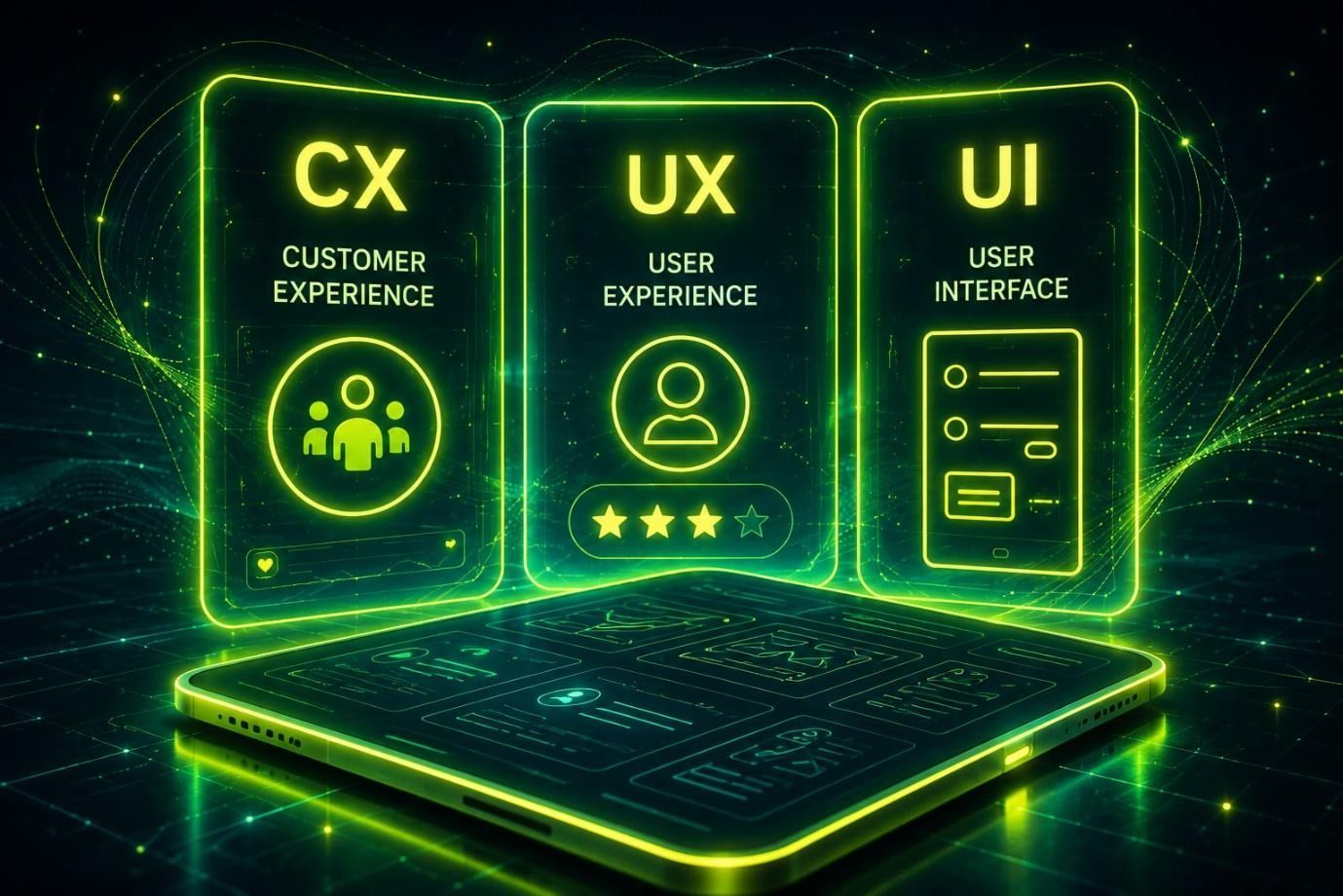
Understand the difference between CX, UX and UI careers and why digital experience roles are growing faster than ever.
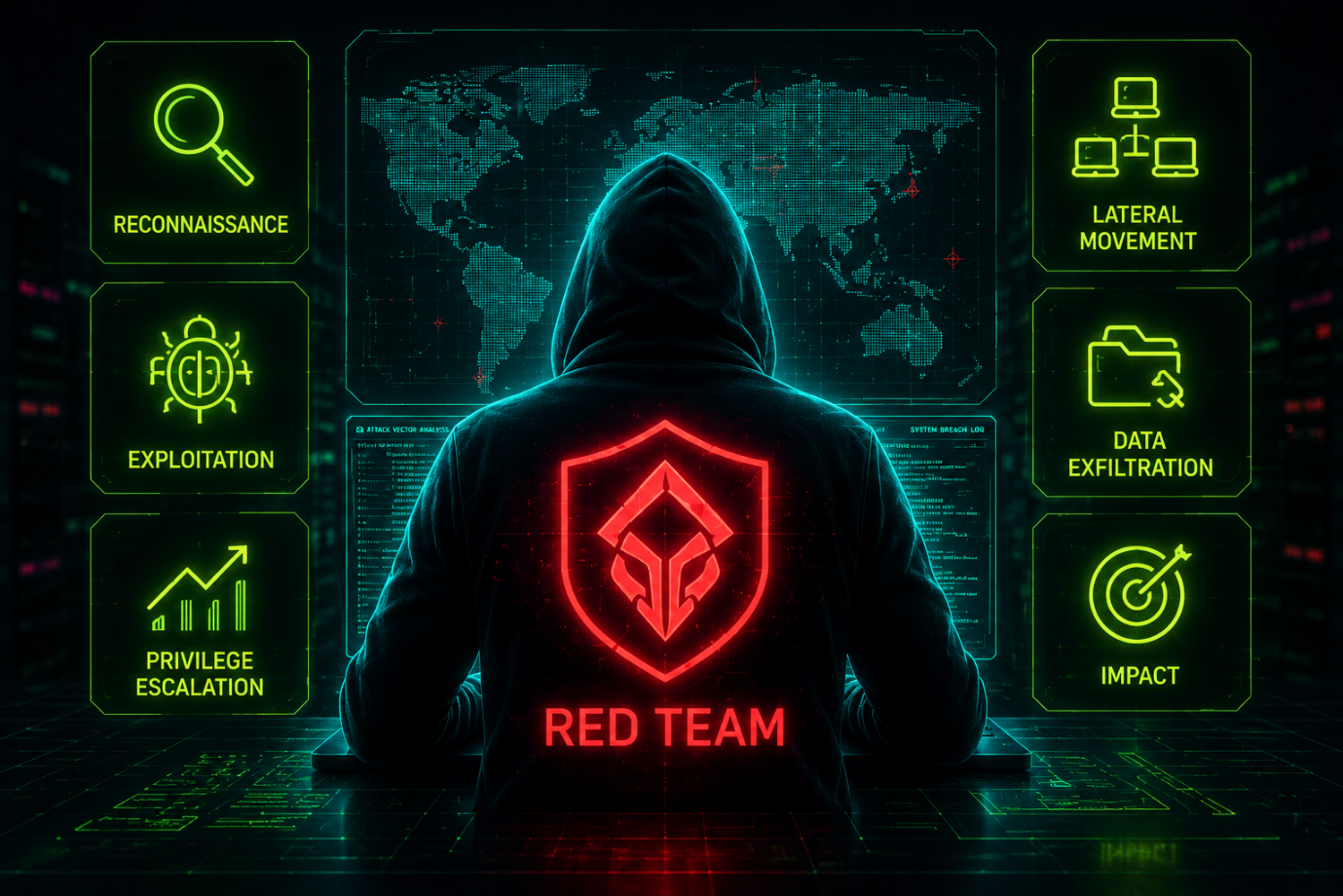
Confused by cyber security job titles? Learn what Red Team, Blue Team, SOC analysts and penetration testers actually.

MAYDAY Recruitment Group emphasizes a people-first culture. Join us to support career growth & employee wellbeing through mentorship.